
The Importance of Fine Arts in Education
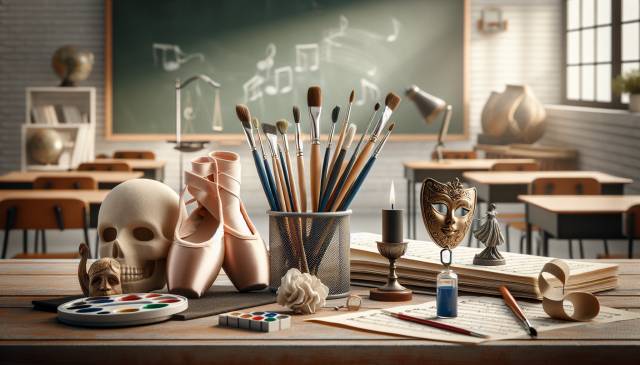
Fine arts encompass a variety of creative disciplines, including painting, sculpture, music, dance, and theater. These art forms are not merely hobbies; they play a vital role in the educational landscape, shaping well-rounded individuals capable of critical thinking and innovation.
Benefits of Fine Arts Education
Integrating fine arts into education offers a multitude of advantages:
- Enhances Creativity: Engaging in fine arts encourages learners to think outside the box and fosters a creative mindset that is invaluable in today's world.
- Improves Academic Performance: Studies show that students involved in arts education often perform better in other academic areas, including math and reading.
- Boosts Emotional Intelligence: Art education helps students express their feelings and understand others' emotions, leading to improved empathy and social skills.
- Encourages Cultural Awareness: Exposure to various art forms helps students appreciate diverse cultures and perspectives, promoting inclusivity and global citizenship.
- Develops Critical Thinking Skills: Analyzing and interpreting art teaches students to evaluate information critically and make informed decisions.
Exploring Various Fine Arts Disciplines
Each fine arts discipline offers unique skills and experiences. Here’s a brief overview of some popular areas:
Visual Arts
Visual arts include painting, drawing, sculpture, and photography. Through these mediums, students learn to express their ideas visually and develop their own artistic voice.
Performing Arts
The performing arts encompass theater, dance, and music. Students involved in these areas not only hone their talents but also improve their public speaking and collaboration skills.
Literary Arts
Literary arts focus on creative writing, poetry, and storytelling. These disciplines help students articulate their thoughts and feelings, enhancing their communication skills.
How to Incorporate Fine Arts into Your Learning Journey
Here are some practical ways learners can engage with fine arts:
- Enroll in Courses: Many educational institutions offer fine arts courses, both online and in-person. Explore options that align with your interests.
- Join Community Workshops: Local community centers often host workshops in various art forms. These can be a great way to meet like-minded individuals.
- Visit Museums and Galleries: Immersing yourself in art can inspire creativity. Visit local museums to gain exposure to different styles and techniques.
- Participate in Art Challenges: Engage in online art challenges or competitions to push your creative boundaries and receive constructive feedback.
Conclusion: The Future of Fine Arts in Education
As society evolves, the role of fine arts in education becomes increasingly critical. By nurturing creativity and self-expression, fine arts education equips learners with essential skills for the future. Whether you're a student or a lifelong learner, embracing the fine arts can enrich your educational journey and open new avenues for personal and professional growth.