
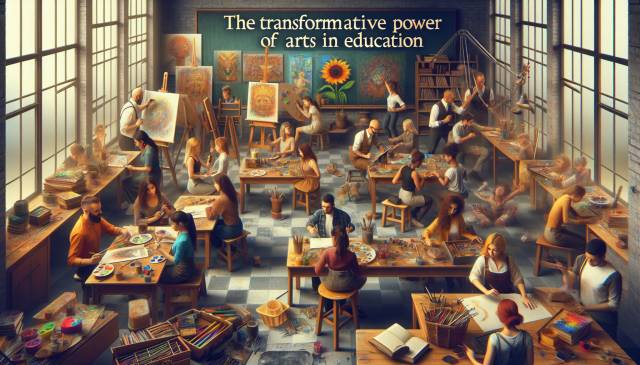
The significance of arts in education goes beyond mere appreciation of aesthetics; it plays a crucial role in shaping well-rounded individuals. In a world where creativity and innovation are paramount, integrating the arts into educational curricula is more essential than ever.
Why Arts Matter
Arts education encompasses various disciplines, including music, dance, theater, and visual arts. Each of these areas contributes uniquely to a learner's development:
- Creativity: Engaging in the arts fosters creative thinking, encouraging students to express themselves in innovative ways.
- Critical Thinking: Arts require interpretation and analysis, enhancing students' ability to think critically about different subjects.
- Emotional Intelligence: Through the arts, students learn to understand and express their emotions, building empathy and social awareness.
- Collaboration: Many arts projects are group efforts, teaching students how to work together towards a common goal.
Enhancing Academic Performance
Research consistently shows that students involved in arts education often perform better academically. Here’s how:
- Improved Test Scores: Students engaged in the arts tend to score higher on standardized tests across various subjects.
- Increased Engagement: Arts integration makes learning more enjoyable, leading to higher participation rates in school activities.
- Better Attendance: Arts programs often create a sense of belonging, encouraging students to attend school regularly.
Real-World Skills Development
In addition to academic advantages, the skills gained through arts education translate into real-world benefits:
- Adaptability: The arts teach students to adapt and respond to new challenges creatively.
- Communication Skills: Art forms require effective communication, whether through performance or visual representation.
- Problem-Solving: Artistic processes often involve overcoming obstacles, enhancing students’ problem-solving abilities.
Embracing Diversity through the Arts
Arts education also plays a vital role in fostering diversity and inclusion. Art allows for the exploration of different cultures, histories, and perspectives. By integrating diverse artistic expressions into the curriculum, educators can:
- Broaden students' understanding of the world.
- Encourage respect for different cultures and viewpoints.
- Promote dialogue and collaboration among diverse groups.
Creating a Balanced Curriculum
To ensure that students receive a well-rounded education, schools must prioritize the inclusion of arts alongside traditional subjects. Here are some strategies:
- Integrate Arts Across Subjects: Incorporate artistic projects in science, math, and literature classes to enhance learning.
- After-School Programs: Offer clubs and workshops focusing on various art forms to engage students outside the traditional classroom.
- Community Partnerships: Collaborate with local artists and organizations to bring real-world experiences into the classroom.
Conclusion
The arts are not merely an accessory to education; they are a vital component that enhances creativity, critical thinking, and emotional intelligence. As learners, embracing the arts can lead to personal growth and academic success. Let us advocate for a more integrated approach to education, one that values the transformative power of the arts.