
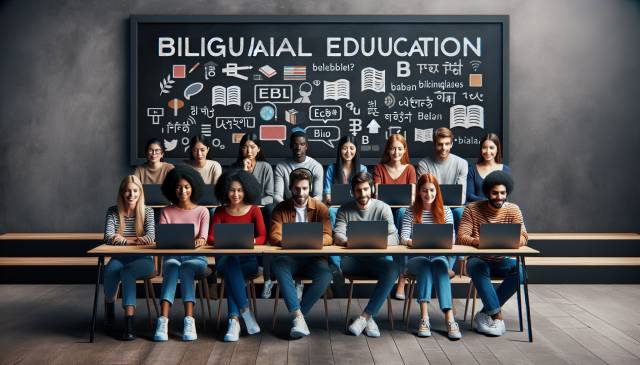
In an increasingly globalized world, the ability to communicate in multiple languages is more than just a valuable skill; it is a necessity. Bilingual education, which provides instruction in two languages, is gaining traction as an essential approach to learning. In this post, we will explore the myriad benefits of bilingual education, its impact on cognitive development, cultural understanding, and future career opportunities.
What is Bilingual Education?
Bilingual education refers to the practice of teaching academic content in two languages. This approach can take various forms, including:
- Transitional Bilingual Education: Aimed at helping students transition from their native language to English.
- Dual Language Immersion: Both native and non-native speakers receive instruction in both languages.
- Maintenance Bilingual Education: Focuses on maintaining and developing the studentsâ first language while learning a second language.
The Cognitive Benefits of Bilingual Education
Research has shown that bilingual education can significantly enhance cognitive abilities. Here are some key cognitive benefits:
- Improved Problem-Solving Skills: Bilingual learners often demonstrate better critical thinking and problem-solving capabilities.
- Enhanced Memory: Learning in two languages requires students to exercise their memory, leading to improved retention and recall of information.
- Greater Creativity: Bilingual individuals tend to think more divergently, fostering creativity and innovation.
Social and Cultural Advantages
In addition to cognitive benefits, bilingual education promotes social and cultural awareness:
- Increased Cultural Sensitivity: Bilingual students have a deeper understanding of diverse cultures, which fosters empathy and social harmony.
- Better Communication Skills: Learning multiple languages enhances the ability to communicate effectively with people from different backgrounds.
- Global Citizenship: Bilingual education prepares students to engage as global citizens, making them more adaptable in various social contexts.
Career Opportunities in a Global Market
In the competitive job market, bilingual individuals often have a distinct advantage. Hereâs how bilingual education can enhance career prospects:
- Increased Employability: Many employers seek candidates who can communicate in multiple languages, especially in global industries.
- Higher Salaries: Bilingual professionals often command higher salaries due to their specialized skill set.
- Diverse Career Paths: Bilingual education opens doors to various fields, including education, translation, international relations, and more.
Challenges and Considerations
While the benefits of bilingual education are extensive, there are challenges that educators and learners may face:
- Resource Availability: Not all schools have access to bilingual programs or the necessary resources to implement them effectively.
- Parental Involvement: For bilingual education to be successful, parental support and involvement are crucial.
- Language Proficiency: Ensuring that students achieve proficiency in both languages can be demanding and requires dedicated efforts from educators.
How to Get Started with Bilingual Education
If you're considering bilingual education for yourself or your child, here are some steps to take:
- Research Local Programs: Look for schools or institutions that offer bilingual education options.
- Assess Language Needs: Consider which languages are most beneficial based on cultural and career aspirations.
- Encourage Language Use at Home: Engage in conversations in both languages to reinforce learning.
Conclusion
Bilingual education is not just about learning a second language; it is an enriching experience that cultivates critical skills, enhances cultural understanding, and opens up numerous career opportunities. As our world becomes increasingly interconnected, the ability to communicate across cultures will be invaluable. Embracing bilingual education today can lead to a brighter, more inclusive tomorrow for learners everywhere.