
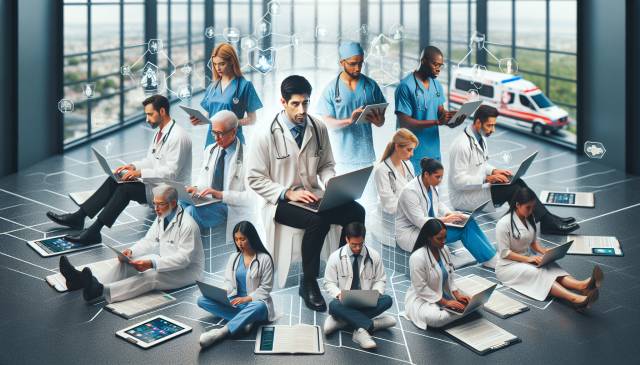
In today’s rapidly evolving world, the fields of medicine and healthcare are undergoing significant transformations. With advancements in technology and changes in patient care approaches, the demand for well-educated healthcare professionals is higher than ever. This post explores the importance of education in these fields and highlights how online learning is reshaping the way we train future medical practitioners.
The Importance of Continuous Education in Medicine
Healthcare professionals must engage in lifelong learning to keep pace with the latest developments. Continuous education ensures that practitioners are equipped with the knowledge and skills necessary to provide the best possible care. Here are a few reasons why ongoing education is crucial:
- Staying Updated: Medical guidelines and treatments evolve frequently; thus, continuous education helps professionals stay informed.
- Enhancing Skills: Regular training opportunities allow healthcare workers to refine their skills and adopt new techniques.
- Networking Opportunities: Educational courses provide a platform for professionals to connect with peers and experts in the field.
- Specialization: Continuous education allows practitioners to specialize in emerging areas of medicine, such as telehealth or genomics.
The Rise of Online Learning in Healthcare Education
Online learning has revolutionized how medical professionals acquire knowledge. Traditional learning environments often lack flexibility, making it challenging for working professionals to balance education with their careers. Here are some benefits of online courses:
- Flexibility: Online courses allow healthcare professionals to learn at their own pace and on their own schedule.
- Accessibility: With the internet, learners from any geographical location can access quality education from renowned institutions.
- Diverse Learning Resources: Online platforms often provide interactive content, including videos, quizzes, and forums that enhance the learning experience.
- Cost-Effectiveness: Many online courses are more affordable than traditional courses, making education more accessible.
Choosing the Right Online Course
With the abundance of online courses available, selecting the right one can be overwhelming. Here are some tips to help you make an informed decision:
- Identify Your Goals: Determine what you hope to achieve through the course—whether it’s gaining a new skill, meeting licensure requirements, or exploring a new specialty.
- Research Institutions: Opt for courses offered by accredited institutions with a strong reputation in healthcare education.
- Check Course Reviews: Look for feedback from previous students to gauge the course's effectiveness and quality.
- Evaluate Support Services: Ensure the institution offers adequate support, including access to instructors, academic resources, and technical assistance.
Innovative Courses Shaping the Future of Healthcare
As technology continues to advance, innovative courses are emerging that focus on the intersection of healthcare and technology. Here are a few examples:
- Telemedicine Training: Courses that teach healthcare professionals how to provide remote care effectively.
- Data Analytics in Healthcare: Programs focused on using data to improve patient care and operational efficiency.
- Artificial Intelligence in Medicine: Courses exploring how AI can enhance diagnostics and treatment plans.
- Genomic Medicine: Training on the implications of genomics in personalized medicine.
Conclusion
The field of medicine and healthcare is constantly evolving, and education must keep pace with these changes. Online learning offers an innovative and flexible approach to acquiring the necessary skills and knowledge to thrive in this dynamic environment. By embracing continuous education through online platforms, healthcare professionals can ensure they are providing the best care possible while advancing their careers. Whether you’re a seasoned practitioner or just starting, there’s a wealth of opportunities waiting for you in the world of online healthcare education.